The 2026 Essentials Checklist
A travel trailer is a rolling apartment with a hitch on the front, and that means every trip depends on two very different kinds of gear. Half of your accessory budget goes toward making the trailer tow safely and sit level. The other half goes toward making the inside livable and the campsite comfortable. Get the balance wrong and you end up with a storage bay full of gadgets and a trailer that still rocks when you walk to the fridge.
This checklist walks through the travel trailer RV accessories categories that matter for a travel trailer in 2026, grouped by the job each one does. Retailers across the RV market organize their catalogs around roughly the same buckets: towing and trailer components, leveling and stabilizing, steps and ladders, awnings and screens, waste water and sanitation, water and plumbing, power and electrical, electronics, climate control, and interior upgrades. Treat the list below as a map of those buckets so you can shop with intent instead of scrolling.
Travel Trailer RV Accessories: Towing and Hitch Come First
Nothing else on your list matters if the trailer does not stay attached and under control. Towing accessories are the least glamorous purchases you will make and the ones most likely to save you from a roadside problem, so they belong at the top of the priority order.
Hitch, Coupler, and Weight Distribution Gear
The connection between your tow vehicle and your trailer runs through the coupler, the hitch, and any weight distribution or sway control hardware you use. Hitch and towing accessories are a dedicated product category at major RV retailers, and travel trailer catalogs break the front end down further into couplers, pin boxes, and related hardware.
Inspect these parts before you buy anything decorative. Look for wear at the coupler, confirm your ball size matches your trailer, and check that your weight distribution bars and hardware are rated for your setup. Manufacturers and retailers publish fitment details for each part, so verify the specific rating and fitment for your trailer and tow vehicle with the manufacturer before ordering.
Trailer Hubs, Brakes, Leaf Springs, and Shackles
The running gear is where a travel trailer differs most from a motorhome. Trailer hubs and brakes, leaf springs and hangers, and shackles all appear as their own parts categories because they wear out on a schedule, not on a whim. Keeping spares and replacement parts on hand means a bearing issue or a broken spring does not end your season.
Trailer lights and electrical components belong in this group too. Wiring, connectors, and lighting all take a beating from weather and road vibration. A pre-trip walk-around with a helper checking brake lights and turn signals takes two minutes and catches most problems before they strand you.
Mud Flaps and Towing Protection
Mud flaps for RV and trailer use are a small purchase that protects the front of your trailer and anything you tow behind it. If you travel gravel roads or cross construction zones, protection for the trailer skin and the underside is worth the shelf space.
Leveling, Stabilizing, and Getting In and Out
Comfort at camp starts with a trailer that does not move. Leveling and stabilizing gear is a distinct accessory category for good reason. A level trailer keeps your refrigerator working properly, keeps doors from swinging shut on their own, and makes sleeping feel far less like being on a boat.
Leveling Blocks and Stabilizers
RV leveling and stabilizers, along with wheel chocks and related hardware, form the core of a stable campsite. Many travel trailer owners carry leveling blocks for side-to-side adjustment and use the trailer’s stabilizer jacks for front-to-back fine tuning. The exact approach depends on your trailer’s suspension and jack system, so check your owner’s manual for the manufacturer’s guidance on leveling and jack use.
Steps and Ladders
RV steps and ladders are their own category because entry and roof access are daily activities. If your trailer’s factory steps are narrow or slippery, an upgraded step is one of the highest-use items you can add. A ladder matters if you clean your roof, check seals, or deal with snow and debris. Confirm the weight rating and mounting method for your specific trailer before purchasing.
Water, Waste, and Sanitation Accessories
This is the part of the checklist that separates experienced trailer owners from new ones. Waste water and sanitation supplies, plumbing parts, and fresh water gear are unglamorous and absolutely necessary. Every one of these items is a standard category at RV supply retailers because every travel trailer needs them.
Sewer Hose Kits and Waste Water Gear
A sewer hose kit, gloves, and a way to store the hose without soaking the rest of your bay are baseline equipment. RV waste water and sanitation accessories cover hose supports, fittings, and tank treatment products. Buy the support and storage pieces at the same time as the hose so you are not improvising at the dump station on your first trip.
Water Pressure Regulators and Fresh Water Hoses
Water pressure regulators, drinking water safe hoses, and inline filters fall under plumbing and fresh water accessories. Campground water pressure varies widely, and a regulator protects your trailer’s plumbing from a spike. Water pressure regulators appear on short lists of recommended RV accessories for exactly this reason. Check with your dealer or the manufacturer about the pressure range your trailer’s plumbing is designed for before you choose a regulator setting.

Photo by Mykhailo Petrushchak on Pexels
Power, Surge Protection, and Electrical Accessories
Power and electrical is one of the largest accessory categories in the RV market, covering everything from cords and adapters to battery gear and solar. For a travel trailer, three items deserve attention: a surge protector or electrical management device, the right power cord and adapters for the pedestals you will meet, and a plan for managing your battery.
Power and electrical accessories also include cords and hoses, which retailers group together because they share storage and wear patterns. Solar panels are widely sold as an RV accessory for off-grid and boondocking use, and they can reduce generator dependence for remote workers who need reliable power. Size any solar setup to your actual consumption, and verify compatibility with your trailer’s charging system before buying.
Awnings, Screens, and Outdoor Living Gear
RV awnings and screens are a category of their own, and for good reason. Your awning is the difference between a campsite you use and a campsite you retreat from. Awning screens, shade panels, and outdoor lighting extend the usable space and cut afternoon heat on the side of the trailer that faces the sun.
Outdoor lighting, outdoor warmth and comfort products, and campsite accessories round out the outside of the trailer. These are the purchases that make evenings at camp pleasant, and they are also the easiest place to overspend. Buy for the way you actually camp: if you are a weekend park camper, you need less outdoor gear than a boondocker who spends a week off grid.
Interior Upgrades and Small Space Living
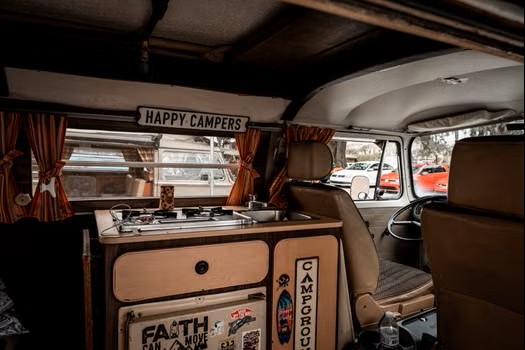
The inside of a travel trailer is where accessory spending becomes about daily comfort. RV retailers organize interior categories around bedding, furniture, lighting, and housekeeping and decor. Interior upgrades and appliances also show up in travel trailer catalogs alongside electronics and climate control products.
A few areas are worth prioritizing. Climate control and ventilation products, including thermostats and fans, affect how livable the trailer is in heat and cold. Lighting upgrades make a small space feel bigger and use less power. Storage and organization items keep a trailer from becoming a pile of loose objects on every countertop. Bedding and window treatments, including RV drapes and blinds, are commonly sold as made-to-fit upgrades for specific camper models.
Cleaning and Maintenance Supplies
Cleaning and maintenance is a standing category in RV parts catalogs, and it is the one most new owners skip. Roof sealant inspection, slide-out care, and regular exterior washing are what keep a travel trailer from developing leaks. RV and camper covers protect the trailer during storage, which matters if your trailer sits outside for months at a time.
Build a small maintenance kit and keep it in the trailer rather than the garage. Basic hand tools, sealant, and cleaning supplies take up modest space and save you a trip to town when something loosens on the road.
A Simple Priority Table for Your Checklist
If your budget is limited, work down this table in order. Safety and function come before comfort, and comfort comes before convenience.
Priority Accessory Category Why It Belongs Here
- Towing, hitch, hubs, brakes, springs, lights Keeps the trailer attached, controlled, and visible
- Leveling, stabilizers, steps, ladders Makes the trailer safe to enter and stable to live in
- Sewer, waste water, water pressure, hoses Handles sanitation and protects your plumbing
- Power, surge protection, cords, solar Keeps systems running and electronics safe
- Awnings, screens, outdoor lighting Extends usable living space at camp
- Interior, climate, bedding, lighting Improves daily comfort in a small space
- Cleaning, maintenance, covers Protects the investment over multiple seasons

Photo by Connor Scott McManus on Pexels
How to Shop Without Wasting Money
RV accessories are sold through a wide range of retailers, from dedicated outdoor and camper accessory brands to warehouse RV supply stores and general online marketplaces. Selection is not the problem. Fitment is. Travel trailers vary enormously in size, weight, wiring, plumbing, and mounting points, so a product that fits one trailer may not fit yours.
Three habits keep accessory shopping under control. First, measure and record your trailer’s key dimensions and component model numbers before you shop. Second, read fitment notes rather than marketing copy, and confirm ratings and compatibility with the manufacturer or your dealer when a listing is unclear. Third, buy for the trips you actually take. A checklist built around your real camping pattern will always beat a list built around someone else’s setup.
Travel Trailer RV Accessories: Frequently Asked Questions
What are the most important accessories for a travel trailer?
The essentials fall into four groups: towing and trailer components, leveling and stabilizing gear, waste water and water accessories, and power and electrical items. Within those groups, the highest-value purchases are hitch and coupler hardware, leveling blocks and stabilizers, a sewer hose kit, a water pressure regulator, and a surge protector. Comfort and decor items come after these basics are handled.
What should a beginner buy before the first trip?
Start with safety and function. Confirm your hitch and coupler setup, add leveling blocks and chocks, buy a sewer hose kit with gloves and storage, add a water pressure regulator and a drinking water safe hose, and sort out your power cord and adapters. Comfort items like awnings and interior upgrades can wait until you know how you actually camp.
Do I need a surge protector for my travel trailer?
Power and electrical accessories include surge protection and electrical management devices, and most experienced trailer owners treat one as standard equipment. Campground pedestals vary in quality, and a protection device can shield your trailer’s electronics and appliances from problems on the supply side. Check the device’s rating and compatibility with your trailer’s electrical system before buying.
How do I choose between solar and a generator?
Solar panels are widely sold as an RV accessory and suit quiet, off-grid camping where you have sun exposure. Generators provide power on demand regardless of weather. The right answer depends on your power consumption and how long you stay off grid. Review your trailer’s charging system with the manufacturer or a qualified technician before committing to either option.
Where should I buy travel trailer accessories?
You can shop dedicated camper and RV accessory brands, warehouse RV supply stores, trailer parts specialists, and general online marketplaces. Availability differs by category, and specialty retailers often carry better fitment information for towing and trailer components. Compare fitment details and manufacturer ratings rather than price alone, and verify return policies before ordering parts that must match your specific trailer.